Fireproof and Waterproof Storage for Your Important Documents
This post contains affiliate links. If you buy through them, StashAndSet may earn a small commission at no extra cost to you. As an Amazon Associate, StashAndSet earns from qualifying purchases.
Use it every day. Rely on it when it counts.
Ask anyone who has rebuilt after a flood or fire what they wish they'd done differently, and many will say the same thing: "I wish I'd known where my papers were." Insurance policies, IDs, deeds and medical records are boring until the day you need them, and then they're everything.
The good news: protecting them is one of the easiest preparedness steps there is. It takes an afternoon and one good container.
Why documents matter so much
undefined puts it plainly: after a disaster, having access to personal financial, insurance, medical and other records is crucial for starting the recovery process quickly. The undefined recommends keeping copies of insurance policies, identification and bank account records saved electronically or in a waterproof, portable container. (StashAndSet isn't affiliated with FEMA or Ready.gov; we just think their guidance is a sensible place to start.)
What to keep protected
- Driver's licenses, passports and birth certificates
- Social Security cards
- Insurance policies (home, flood, auto, health, life)
- Deeds, titles and leases
- Wills, powers of attorney and medical directives
- Medical records, prescriptions and vaccination records (including pets)
- A list of bank and credit accounts and key phone numbers
- Some emergency cash
- Small valuables and irreplaceable photos
Fireproof vs. waterproof: know the difference
These are two different protections, and many products offer one more than the other.
- Fire resistance is about keeping the inside cool enough that paper doesn't char. Look at the temperature and duration a product is rated for, and read the manufacturer's specs.
- Water resistance is about keeping out rain, firefighting water or floodwater. In Florida, water is often the bigger threat.
For important papers, look for something that addresses both. And for extra insurance, slip documents into zip-top bags inside the container.
Our picks for portable protection
Ready.gov specifically says portable, and for good reason: if you evacuate, your documents should go with you.
- undefined. A slim folder-style bag that slides onto a shelf or into a go-bag.
- undefined. Same idea, with a lock for a bit of everyday privacy.
- undefined. A multi-layer file organizer with a handle. It works as everyday office filing and grabs easily on the way out.
Prefer a ready-made option? Here are two Amazon picks at different price points.
Under $20: a fireproof document bag. A zippered, lockable case about 14.7 x 11.2 x 5.3 inches, with a carry handle and shoulder strap, so it's easy to grab on the way out the door. undefined
Around $100: a SentrySafe fireproof and waterproof file box. A locking chest that holds hanging file folders, so the important papers stay organized as well as protected. undefined
For valuables that stay home: a safe
For jewelry, spare keys, hard drives and things that don't need to travel, a larger safe makes sense.
- undefined offers plenty of room for a home office.
- undefined adds fingerprint access for quick, keyless opening.
Check each product's specs for its fire and water ratings, and bolt larger safes down where the manufacturer recommends. Looking for a smaller, rated option from a familiar brand? Try [AFFILIATE LINK: fireproof safe] or [AFFILIATE LINK: small fireproof waterproof safe].
Don't forget digital copies
Ready.gov's "saved electronically" suggestion is the easiest backup of all. Scan or photograph every document and keep copies in two places:
- A secure cloud account you can reach from any phone.
- A small encrypted drive stored in your fireproof bag. Our undefined turns a spare SSD into a backup drive, and a undefined helps pull family photos off old memory cards.
Flash drives that ride on your keys. The detail that matters most here is the keychain. A drive that clips to your key ring or a lanyard goes wherever you go, even if you don't have a box or bag to grab on the way out.
- About $70: Integral Crypto Dual, 64GB. It has dual encryption, a step up in protection, so if it's lost your files stay locked. undefined
- About $20: MOSDART 128GB keychain drive. A slim, encrypted metal drive on a key ring, with double the space at a fraction of the price. undefined
Both are standard USB (USB-A), not USB-C. That means copying files takes longer, so load them ahead of time rather than in a rush. The upside is that USB-A still plugs into more computers, TVs and car stereos than anything else.
Keeping everyday items dry
Water protection isn't just for paperwork:
- undefined for phones at the beach or in a storm.
- undefined or a undefined for photo albums, keepsakes and linens, kept up off the garage floor on a undefined.
- undefined for clothes and bedding.
- A undefined for writing down key phone numbers, since a dead phone means a lost contact list.
Want extra protection for loose papers? [AFFILIATE LINK: waterproof document pouches].
An afternoon project
- Gather your documents into one pile.
- Scan or photograph each one and save copies to the cloud and a drive.
- Put originals (or copies, for things you need daily) in your fireproof, waterproof container.
- Add some cash and your list of important phone numbers.
- Store it somewhere everyone in the house knows, close to your go-bag.
- Set a reminder to update it once a year.
One less thing to worry about
Once your papers are protected, you'll stop thinking about them, and that's the point. For the rest of your kit, see our undefined and our undefined, or browse the undefined.
Use it every day. Rely on it when it counts.
— The StashandSet.com Team, approved by Barry Floore
More home
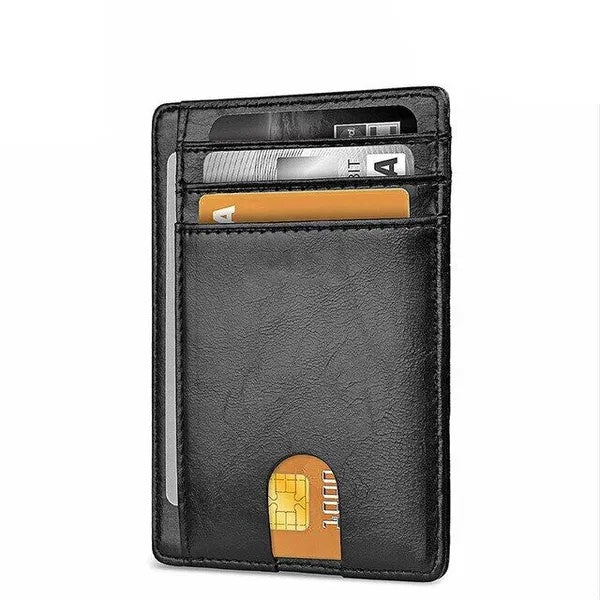
Our Slim RFID Bifold Wallet, Compared With Three Amazon Wallets
Why we carry our $21.99 Slim RFID Bifold Wallet, and how it stacks up against Amazon wallets at about $13, $20 and $65.
Read · 4 min →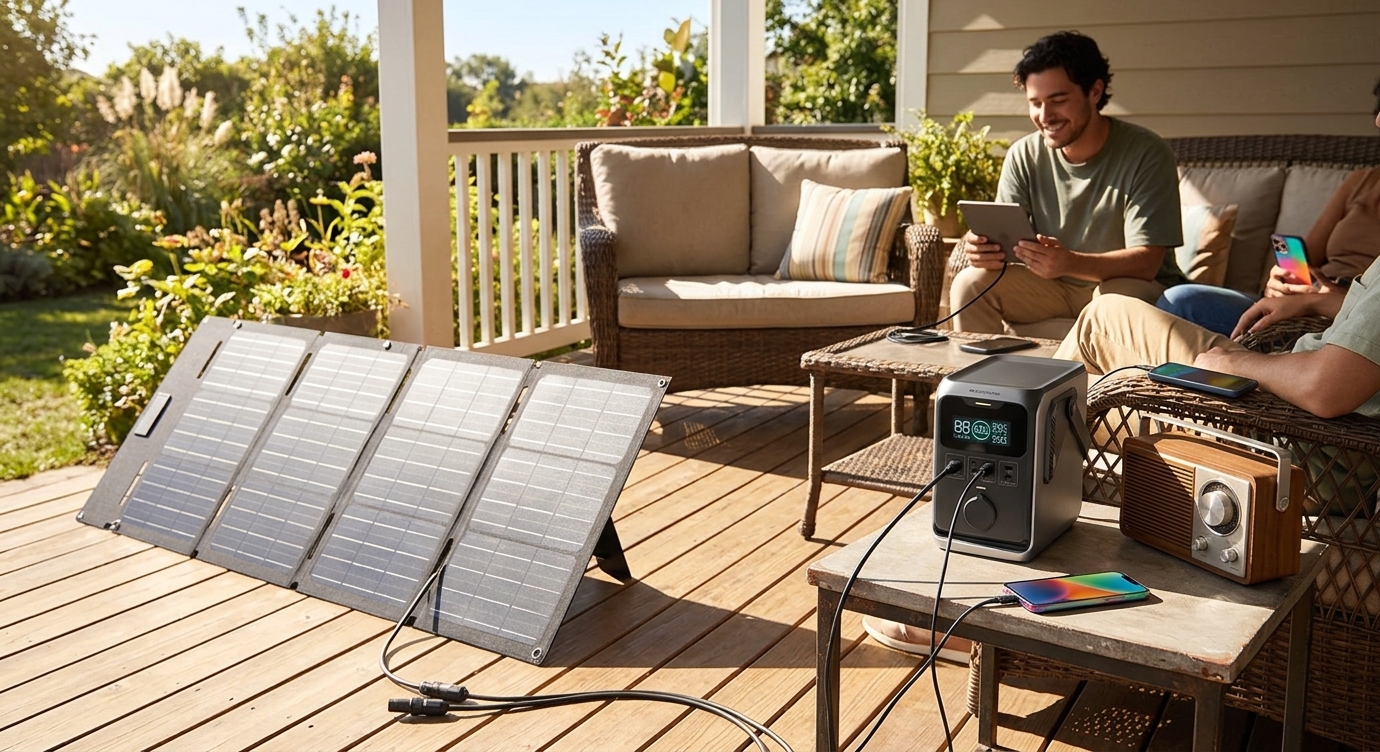
Power Outage Guide: What to Charge First and How to Cope
Fridge timing, generator safety, what to charge first, and solar backup options at a range of price points.
Read · 6 min →Why We Built StashAndSet Around Ready.gov
How StashAndSet uses the Ready.gov disaster kit list as its filter, category by category, with everyday picks you'd actually use.
Read · 4 min →